
Roof Assessment Without Weight or Contact
Drone roof inspections in Indiana for properties with suspected storm damage or areas too steep for safe access
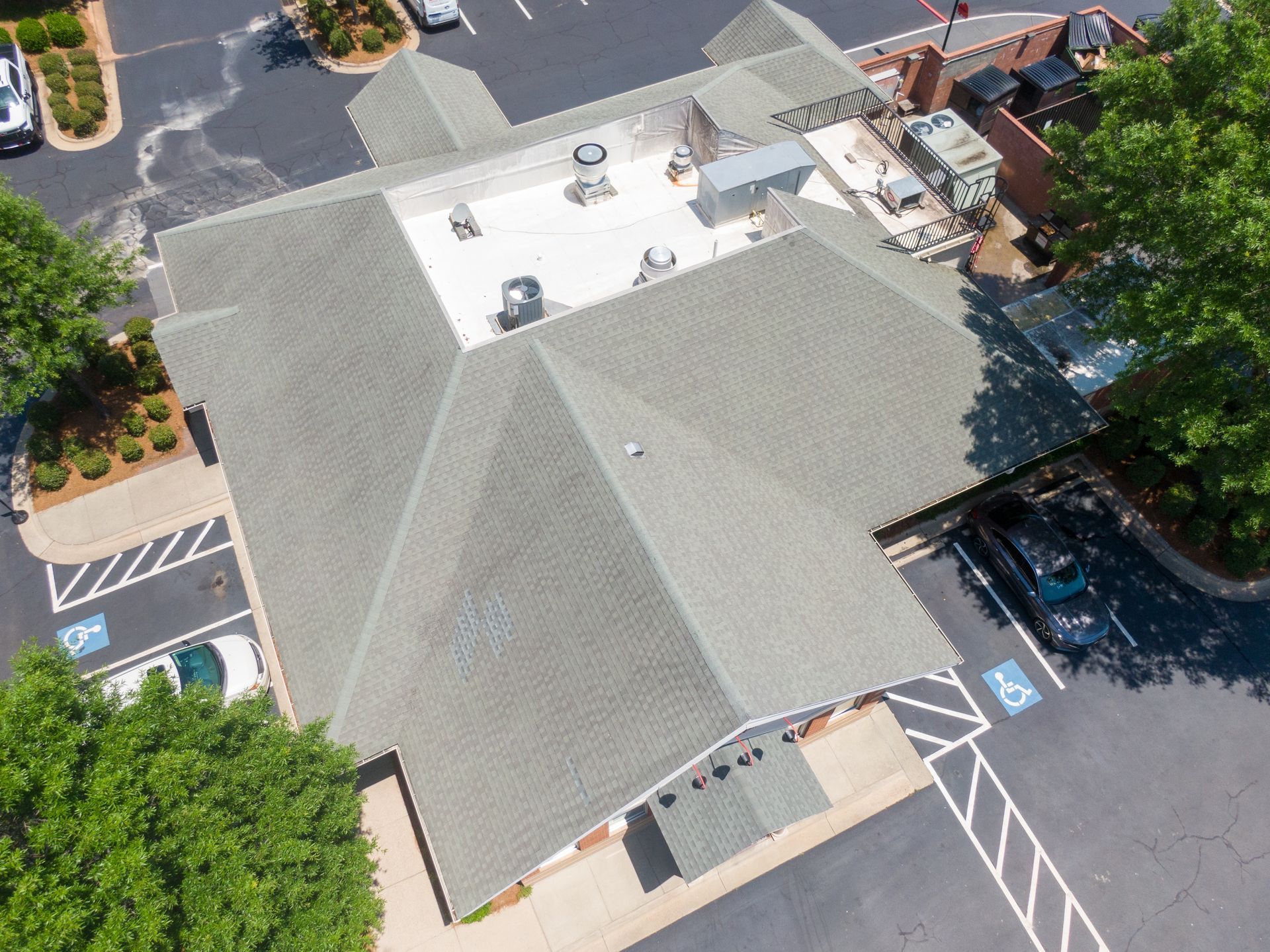
When hail impacts shingles or wind lifts flashing, the damage often sits on roof sections that are difficult to reach safely, and traditional inspections require walking across surfaces that may already be compromised. First Edge Solar and Contracting uses high-definition drone photography to document roof conditions across Indiana properties, capturing close-up images of shingles, valleys, penetrations, and edge details without adding foot traffic that can worsen existing damage. The drone hovers above the roofline, recording video and still images from multiple angles, then findings are compiled and emailed to you with annotated photos that show exactly where issues exist.
Drone inspections work by positioning a camera-equipped aircraft at various elevations and angles around the roof, capturing detail that reveals granule loss, cracked shingles, lifted flashing, and debris accumulation in valleys. The process takes less than an hour for most residential properties and eliminates the risk of inspectors stepping on weakened decking or dislodging already-loose shingles. For steep-pitch roofs or multi-story buildings, drones access areas that would otherwise require scaffolding or safety harnesses, reducing inspection time and eliminating the liability of personnel working at height.
Request a detailed estimate based on your roof size and the specific concerns you need documented.
What You Notice Once Inspection Findings Arrive
High-definition images show shingle condition at a level of detail that reveals surface cracks, missing granules, and seal failures not visible from ground level. Each photo includes timestamp and GPS metadata, documenting exactly when and where the image was captured. Findings are organized by roof section, with annotations marking areas of concern and notes explaining what each issue means for long-term roof performance.
You receive a complete visual record of your roof's current condition without anyone having climbed onto the surface. This matters particularly after storm events, when shingles may have lifted seals or sustained impacts that haven't yet caused leaks but will fail prematurely if left unaddressed. Insurance claims benefit from timestamped drone documentation that shows damage extent before repairs begin, and future inspections provide comparison images that track how conditions change over time.
Drone inspections are particularly useful for properties with older roofs nearing replacement age, where you need documentation of current condition to plan capital expenses, or after severe weather when you suspect damage but want confirmation before filing a claim. The inspection does not include physical testing of materials or invasive examination of underlayment, which still requires hands-on evaluation if structural concerns are identified in the imagery.
Common Questions About This Service
Property owners considering drone inspections often ask about image quality, what the inspection can and cannot detect, and how findings are delivered for use in insurance claims or repair planning.
- What level of detail do drone cameras capture? High-definition cameras mounted on inspection drones produce images with resolution sufficient to identify individual shingle tabs, granule wear patterns, and nail pops. Zoom capabilities allow focus on specific areas of concern, such as flashing details around chimneys or cracked sealant along ridge caps, providing close-up clarity comparable to handheld photography taken from a ladder.
- How does avoiding foot traffic protect existing roof damage? Walking on a roof applies concentrated weight at each step, which can crack brittle shingles, dislodge granules from weather-weakened surfaces, or push loose flashing further out of position. After hail or wind events, shingles may have hairline cracks or partially broken seals that remain in place until pressure is applied, and inspector foot traffic can turn repairable damage into sections requiring full replacement.
- When should a drone inspection be scheduled after a storm? Inspections are most useful within a few weeks of suspected damage, before additional weather events complicate the timeline of when specific impacts occurred. For Indiana properties, spring and early summer storms often produce hail damage that benefits from prompt documentation, while fall wind events may lift shingles without immediate leaks, making early detection valuable for preventing water infiltration during winter freeze-thaw cycles.
- What information is included in the emailed findings? The inspection report includes annotated photos organized by roof section, written descriptions of each identified issue, and recommendations for immediate repairs versus conditions to monitor over time. GPS coordinates and timestamps provide documentation useful for insurance claims, and images are delivered in high-resolution format suitable for zooming and detailed review.
- Why are steep-pitch roofs particularly suited for drone inspection? Roofs with pitches above 6/12 require safety equipment and specialized training for inspectors to access safely, increasing inspection time and cost. Drone inspections eliminate height risk entirely while providing better visual access to ridge details, valley conditions, and upper roof sections that are difficult to examine thoroughly even when standing on the surface.
First Edge Solar and Contracting schedules drone inspections based on weather conditions that allow clear imaging and safe flight operations. Schedule a property evaluation to document your roof's current condition and receive detailed findings that guide repair decisions or support insurance documentation.