Protecting Rooflines From Water and Rot
Fascia and soffit services in Indiana for properties with visible wood decay or persistent pest intrusion
First Edge Solar and Contracting handles fascia and soffit replacement and repair for residential and commercial properties across Indiana, addressing the wood rot, ventilation failures, and pest access points that compromise roofline integrity. When fascia boards pull away from the roofline or soffit panels show discoloration and sagging, the underlying structure is already absorbing moisture. These components form the finished edge of your roof system, and their failure exposes rafters and attic spaces to water infiltration that spreads quickly through framing.
Fascia boards run horizontally along the roofline where gutters attach, while soffits cover the underside of the roof overhang and provide attic ventilation through perforations. Both materials endure constant exposure to rain runoff, temperature swings, and UV degradation. Wood fascia deteriorates when gutters overflow or ice dams form, and non-vented soffits trap moisture inside attic cavities, creating conditions for mold growth and insulation damage.
Schedule a property evaluation to identify compromised fascia boards and soffit panels before structural damage extends into roof framing.
What Proper Fascia and Soffit Installation Requires
Installation begins with removing damaged sections and inspecting the rafter tails and lookouts for rot that has spread beyond the visible trim. If underlying wood shows soft spots or discoloration, those structural members are replaced before new fascia and soffit materials are installed. Proper attachment requires fastening through solid wood, not into deteriorated framing, and maintaining correct spacing for ventilation requirements.
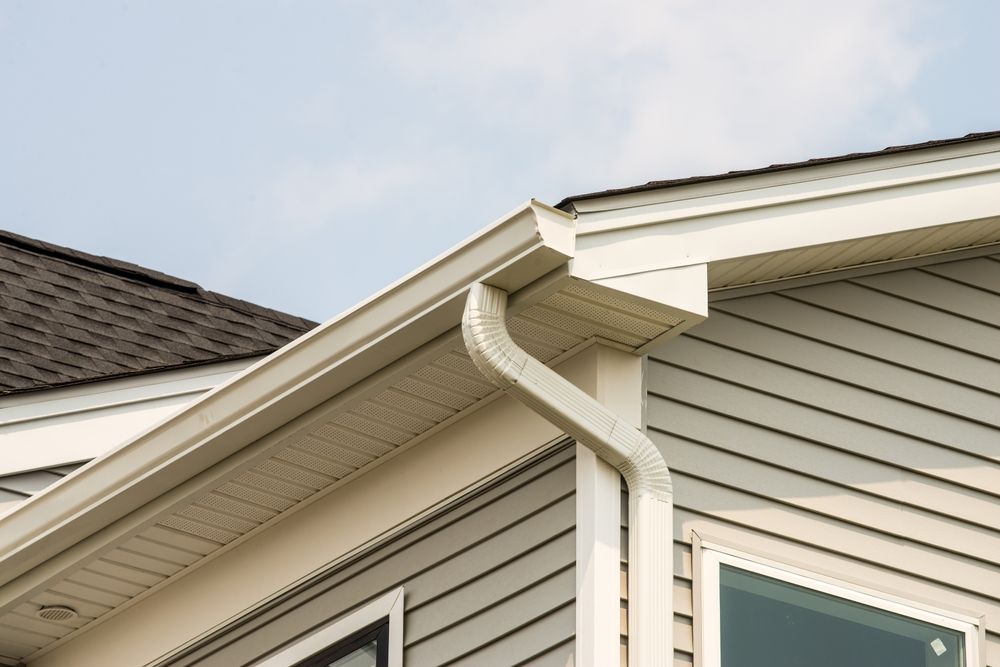
After replacement, the roofline appears clean and uniform, with no gaps where insects enter or panels that sag between attachment points. Vented soffit panels restore airflow into attic spaces, reducing heat buildup during summer months and preventing condensation during temperature drops. Gutters reattach to solid fascia backing that supports their weight during heavy rain and snow load without pulling away from the structure.
Material selection affects longevity and maintenance needs. Aluminum fascia and soffit resist moisture and insect damage without the seasonal painting wood requires, while maintaining the appearance of traditional trim profiles. Vinyl options provide similar durability at lower material cost but can become brittle in extreme cold. The choice depends on your maintenance preferences, climate exposure, and budget considerations for long-term performance.
Questions Before Starting Your Project
Fascia and soffit work involves both cosmetic restoration and functional protection, and property owners in Indiana often need clarity on material options, ventilation requirements, and what the replacement process addresses beyond visible damage.
- What causes fascia boards to rot even when gutters appear functional? Fascia rot typically starts where gutter hangers penetrate the wood, creating entry points for water that wicks into the grain. Even properly functioning gutters concentrate water at attachment points, and wood fascia without a protective coating absorbs moisture through these fastener holes during prolonged rain exposure.
- How does soffit ventilation affect energy costs? Vented soffit panels allow cooler outside air to enter the attic at the eaves, where it flows upward and exits through ridge vents or gable vents. This continuous airflow prevents attic temperatures from reaching 140 degrees or higher during Indiana summers, reducing the heat load on insulation and lowering cooling costs by keeping living spaces below from absorbing radiant heat through ceilings.
- When should fascia and soffit be replaced together? If fascia damage is visible, moisture has likely reached soffit panels as well, even if they appear intact from ground level. Replacing both components during the same project ensures consistent material performance, avoids return visits for related failures within a few seasons, and allows complete inspection of the underlying roof structure.
- What material performs best in freeze-thaw cycles? Aluminum fascia and soffit withstand repeated freezing and thawing without cracking or warping, unlike wood that splits along the grain when moisture trapped inside expands during freezes. Vinyl remains flexible in moderate cold but can crack when temperatures drop below zero if impacted, making aluminum the more durable choice for northern climates.
- Why does soffit panel spacing matter during installation? Soffit panels require slight gaps between sections to allow expansion and contraction with temperature changes. Panels installed tightly against each other during warm weather will buckle when heat causes expansion, creating waves and distortion that trap moisture and reduce ventilation efficiency.
First Edge Solar and Contracting provides detailed material recommendations based on your property's exposure and maintenance preferences. Arrange an on-site consultation to review existing damage and discuss fascia and soffit options that match your roofline configuration and long-term durability needs.