Stop Problems Before Emergency Repairs Start
Preventative Roofing Maintenance in Illinois, Indiana, Wisconsin and Iowa, Illinois for properties protecting long-term value and avoiding unexpected failures
Roofing systems degrade gradually through freeze-thaw cycles, UV exposure, and seasonal expansion that loosens fasteners and cracks sealants long before leaks become visible inside. Maintenance programs from TLC Contracting Group include inspections, minor repairs, and performance evaluations designed to catch those changes early.
Homeowners and business owners in Illinois, Indiana, Wisconsin and Iowa use these programs to reduce the risk of emergency repairs during winter storms or heavy rain when contractors are backlogged and temporary damage spreads quickly.
The service addresses wear patterns that shorten roof lifespan—curling shingles, clogged valleys, deteriorating flashing, and granule loss that exposes asphalt to direct sunlight. Regular evaluations identify which areas need attention now versus what can wait, allowing property owners to budget for repairs instead of facing sudden replacement costs when a small problem becomes a structural issue.
Enroll in a maintenance plan to schedule routine inspections and keep your roofing system performing as designed.
What You Notice Once Maintenance Becomes Routine
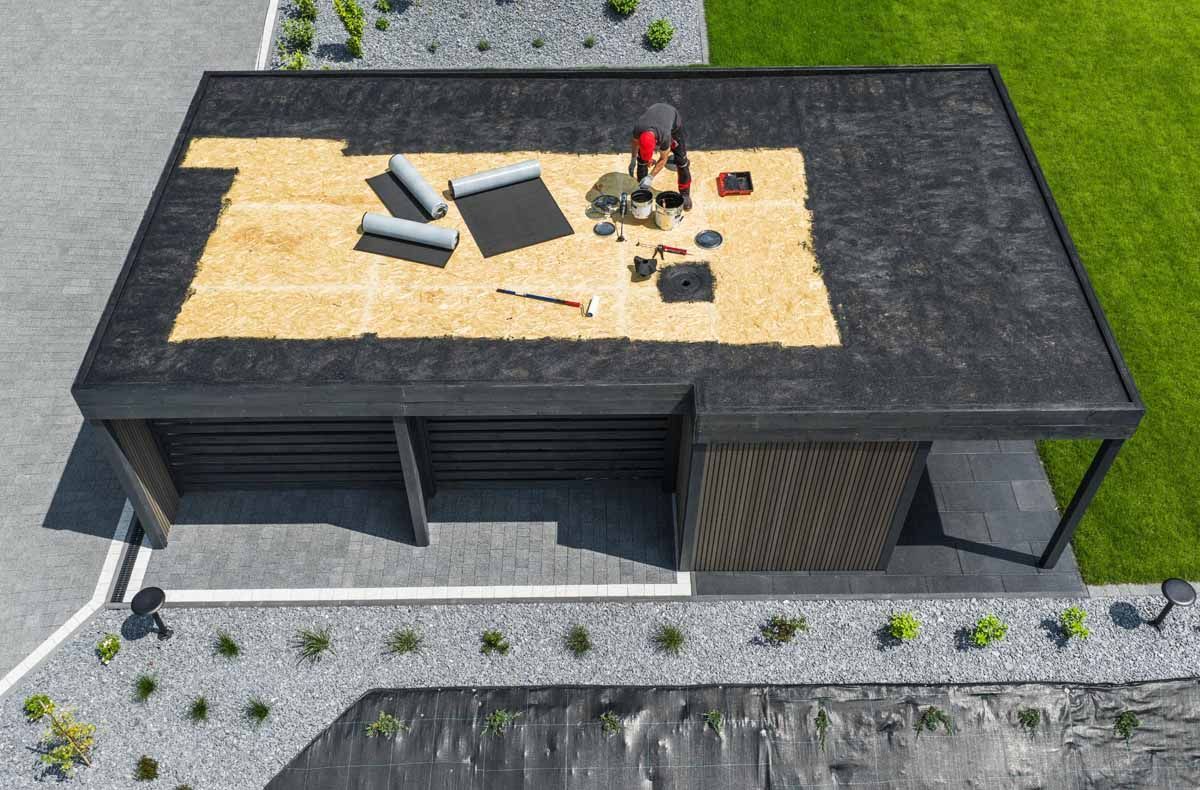
Inspections involve walking the roof to check fastener integrity, examining flashing at chimneys and vents, clearing debris from valleys, and testing sealant condition at penetrations. Minor repairs—replacing a few shingles, re-sealing a boot, tightening loose trim—happen during the visit rather than waiting for a separate service call.
Properties under maintenance programs show fewer emergency calls, longer intervals between major repairs, and roofs that reach their expected lifespan instead of failing early due to neglect. You stop seeing water stains on ceilings after heavy rain, gutters drain without overflow, and attic ventilation stays unobstructed by debris buildup that traps heat and moisture.
Programs typically include biannual visits—spring and fall—timed to address damage from winter weather and prepare for summer storms. Documentation from each inspection creates a maintenance record useful for warranty claims, insurance purposes, and property sales where buyers want proof of proper upkeep.
Common Questions About This Service
Property owners considering maintenance programs often want to know what the service includes and how it compares to waiting for visible problems.
- What happens during a maintenance inspection? Contractors examine shingle condition, check flashing and sealant integrity, clear debris from drainage paths, and test ventilation function, then provide a written summary of findings with recommendations for immediate or future action.
- How does routine maintenance actually extend roof lifespan? Catching small issues like loose shingles or worn boots before water infiltrates decking prevents rot and structural damage that would otherwise require full replacement years earlier than the roof's rated lifespan.
- Why schedule inspections in spring and fall? Spring visits address winter damage from ice, wind, and freeze-thaw cycles, while fall inspections prepare the roof for snow load and identify vulnerabilities before Illinois, Indiana, Wisconsin and Iowa's coldest months when emergency repairs become difficult and expensive.
- What types of minor repairs get handled during maintenance visits? Contractors typically replace individual damaged shingles, re-seal flashing and boot penetrations, secure loose trim, and clear clogged valleys—tasks that take minutes during a scheduled visit but hours if scheduled separately.
- When does maintenance make more sense than waiting for visible problems? For roofs older than ten years, commercial properties with flat or low-slope systems, and homes in areas with frequent hail or wind, scheduled maintenance catches deterioration before it causes interior damage that costs more to repair than the roof itself.
TLC Contracting Group offers maintenance programs that protect your investment through regular inspections and timely repairs. Contact the team to discuss plan options and schedule your first evaluation.